
Blog

AI in Finance
Here, we delve into the future of AI development, scalability, and business success. In this series, we explore the Evident AI Index, the key factors in improving a company's standing, and how modern machine learning pipelines are evolving
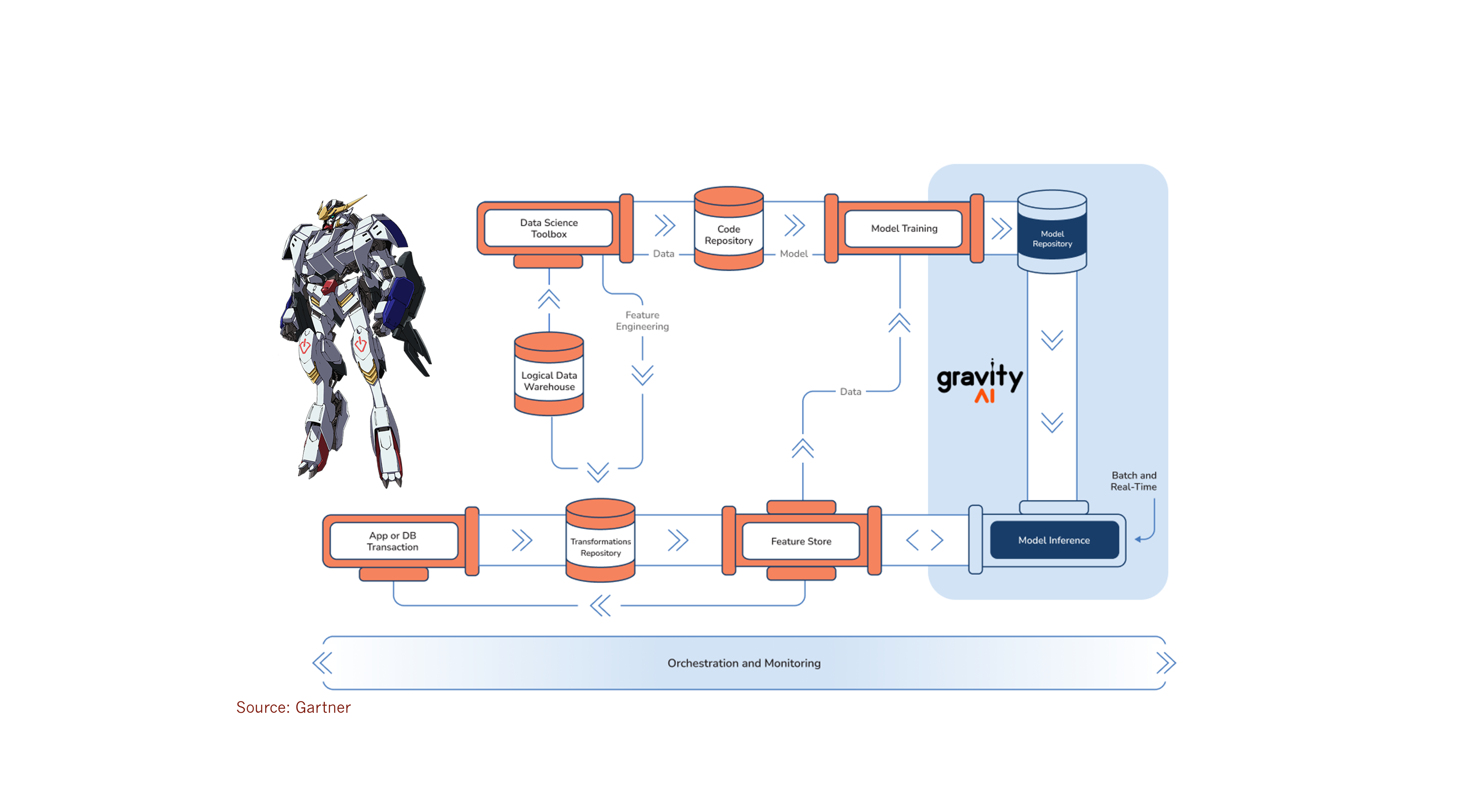
Building the Future: The Modern MLOps Pipeline for Scaling AI
Discover the essential components of a modern MLOps pipeline for scaling AI with gravityAI. Streamline model development, deployment, and monitoring, ensuring compliance and efficiency. gravityAI’s advanced tools can enhance your MLOps pipeline today.
Riding the AI Wave: How GravityAI is Surfing into the Future
Explore how GravityAI leverages MLOps to democratize AI for product teams. Learn about our partnership with AWS, cost-efficient GPU solutions, and how we empower the AI creator community with no-code/low-code platforms. Join the MLOps revolution today!
Level Up Your AI Game: Boost Your Evident AI Index Ranking with gravityAI
The Evident AI Index has become pretty important to financial institutions. So how can your organization climb the rankings in Evident AI? Well, implementing gravityAI as your MLops platform will certainly accelerate your AI maturity.

How To Run Llama 3
Your guide on how to run Llama 3 with our step-by-step tutorial. Learn about configuring inputs and outputs, setting up your environment, and using the Llama 3 API. Master running Llama 3 and unlock the potential of this powerful LLM on gravityAI.
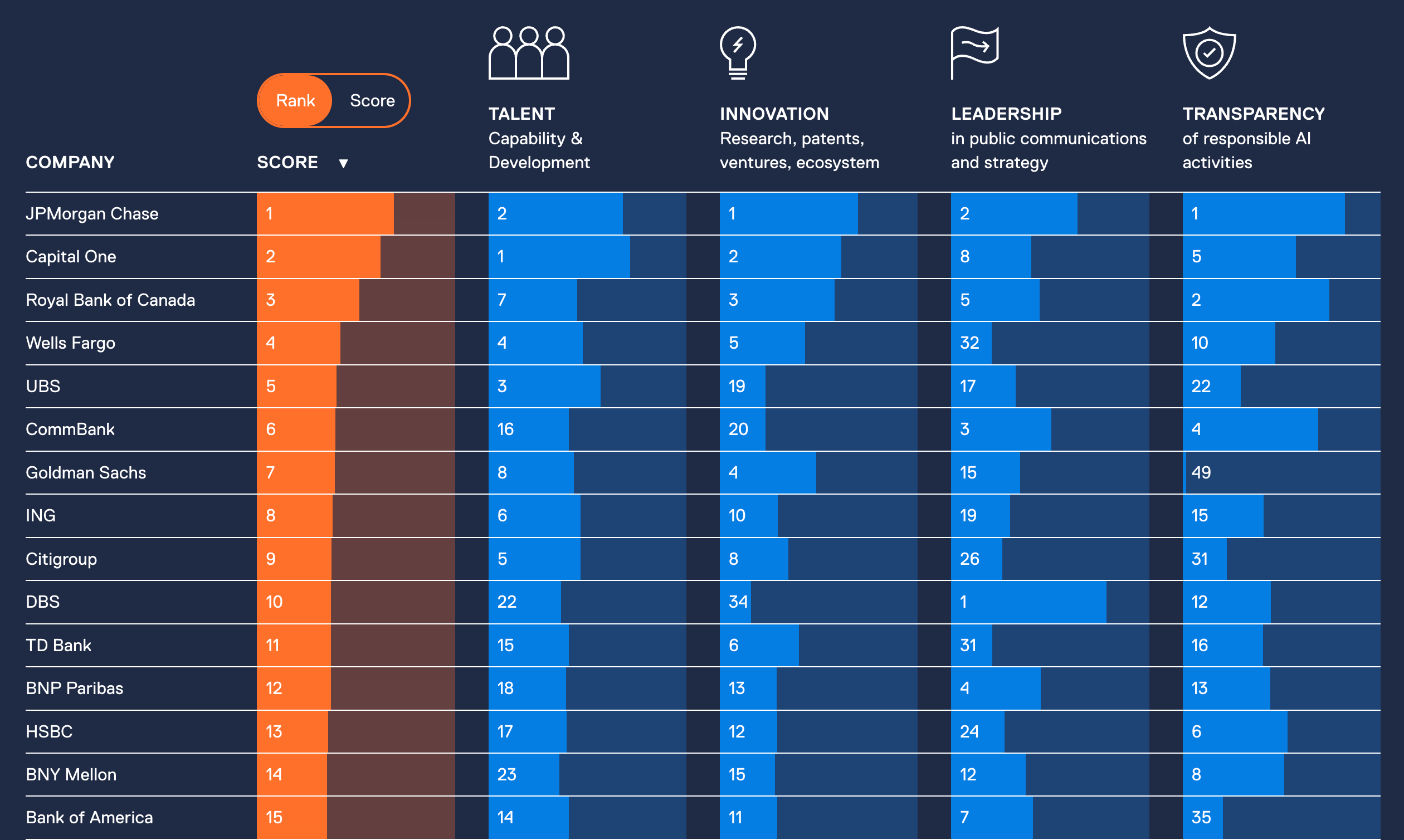
Understanding the Evident AI Index: A Benchmark for Financial Institutions
In the fast-paced world of finance, staying ahead means embracing innovation and leveraging the latest technologies. One such crucial benchmark is the Evident AI Index. But what exactly is this index, and why should financial institutions care about it?

How To Run Stable Diffusion
Stable Diffusion is a solution that is used by AI enthusiasts, artists, professionals, and novices alike. The model can transform text descriptions into visually stunning images.
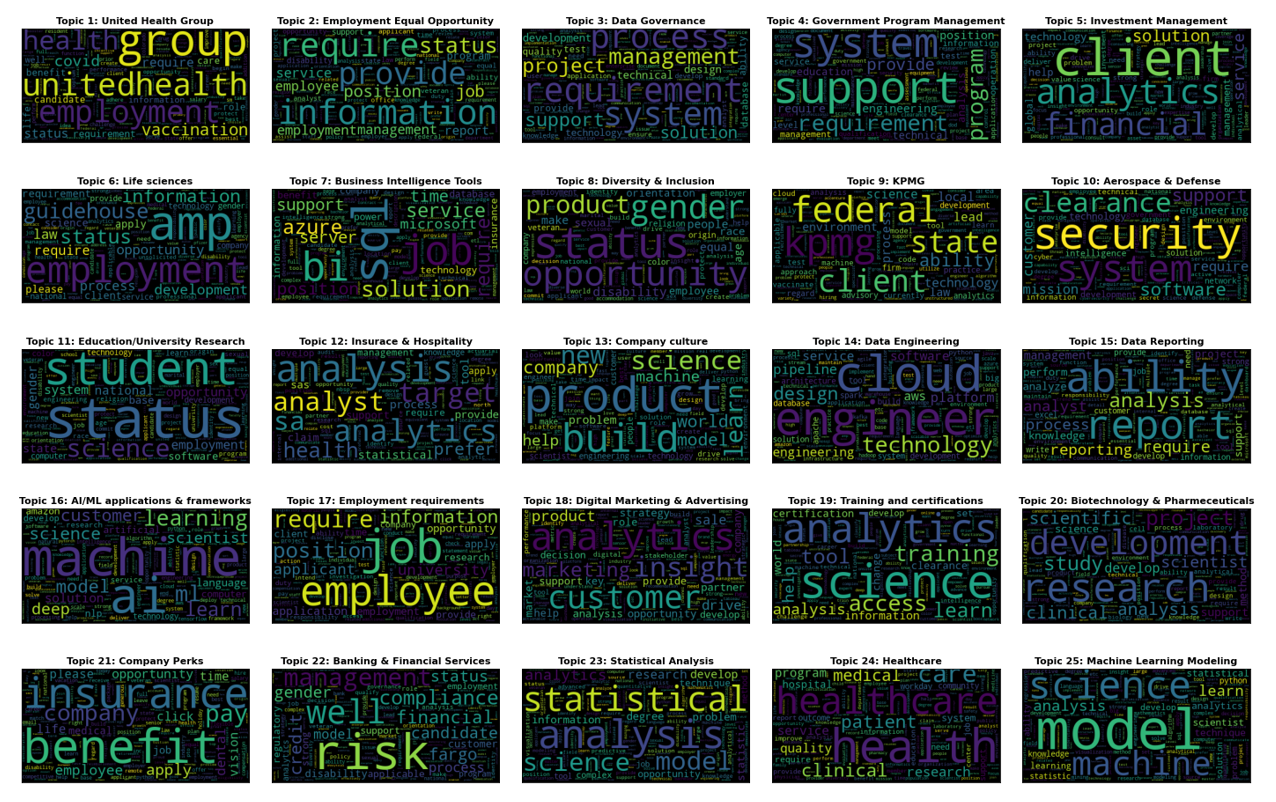
We Built a Data Science Task and Skills Extractor
Data Science is changing, and the skills that are required for various job postings are changing with them. We analyzed 1000s of job listings to evaluate the top skills across data focused jobs.
How We Used GPT-2 To Write a Sea Shanty
Watch the gravityAI team and friends figure out how to write and record a sea shanty, including all the hilarity of AI generated lyrics.

3 Ways AI Can Cut Business Expense
The business case for using AI to automate processes and cut business expenses is pretty undeniable these days. Read on to learn more about using AI in document automation, RPA, and more.

How We Used GPT-2 to Write and Record a Sea Shanty
How gravityAI used GPT-2 to write and record an AI generated Sea Shanty

Case Study: Curating Content Made Easy: How gravity AI Organized TripScout’s Regional Content
Working with gravity AI has provided TripScout not only with a wide new range of scaling possibilities but also saved precious time. As a startup, it would have taken a lot more time to build out their own service from scratch. Implementing an AI...
How to Automatically Containerize Your Model
Automatically Containerize Your Model and Build a Standardized set of API Endpoints with gravityAI
Gravity AI’s Top 3 Production Ready Models
Put quite simply, it means this AI model is ready for production. The models have been pre-trained and the container is ready to be deployed into a production environment through API endpoints.

Text Interrogator: Extracting Text From Financial Documents Like a Boss
Extrapolating and applying detailed information from numerous lengthy documents has been a major pain point for many industries for years.

The Intersection of Business and Data Science: An Interview with Mehdi Salmani Jelodar, PhD
Data Science is still going through growing pains with respect to how the business function and goals of an organization align with data science. In this interview, data science master Mehdi Salmani Jelodar and Dan discuss that intersection.

GravityAI Unveils Enterprise Data Science Marketplace for Fintech and Healthcare
So excited that our new Enterprise Data Science Marketplace has been picked up in the major media universe on Yahoo Finance! Practical data science and the intersection of algorithms and business!

The intersection of UX and Data Science
Check out this talk on how important it is for Designers to be involved in the Data Science process.

The U.S Patent Office Has Decided How To Handle AI
After months of deliberation the United States Patent and Trademark Office has returned its verdict on an important question, “Who owns the patent to inventions created by AI?”

Experts Agree: Online B2B Marketplaces are the Future
Analysts and experts agree that traditional procurement is headed for disruption, with new online B2B marketplaces expected to revolutionize how large organizations shop for products and services.

How financial enterprises are leveraging data science today
The pressure to adopt data science in finance is massive. Not only can it reduce costs, but it can also significantly enhance the customer experience. In other words, the companies that get this right will have a substantial competitive advantage.

The AI Build Vs. Buy Knowledge Gap
Enterprises often struggle when deciding whether they should build a complex algorithm or purchase one that already exists, as there isn’t much of a framework to help guide them through that decision.

Who owns what artificial intelligence creates?
In late August the United States Patent and Trademark Office posed an interesting question to experts in the field of artificial intelligence (AI): Who owns the patent to inventions created by AI?

Anxiety and Hope in a World Full of Algorithms
Algorithm creation is resulting in an enormous carbon footprint, but if algorithms can be part of the problem, can they be part of the solution?