
Examiner-ready AI, without hiring an AI team.
gravityAI puts every model, agent, and vendor AI in your credit union on one list, running inside your own cloud. Each one arrives with a risk level, a plain description of what it does, and someone's name on it. Your workspace ships with working workflows on day one, and we train your people to build their own.
Book a free consultation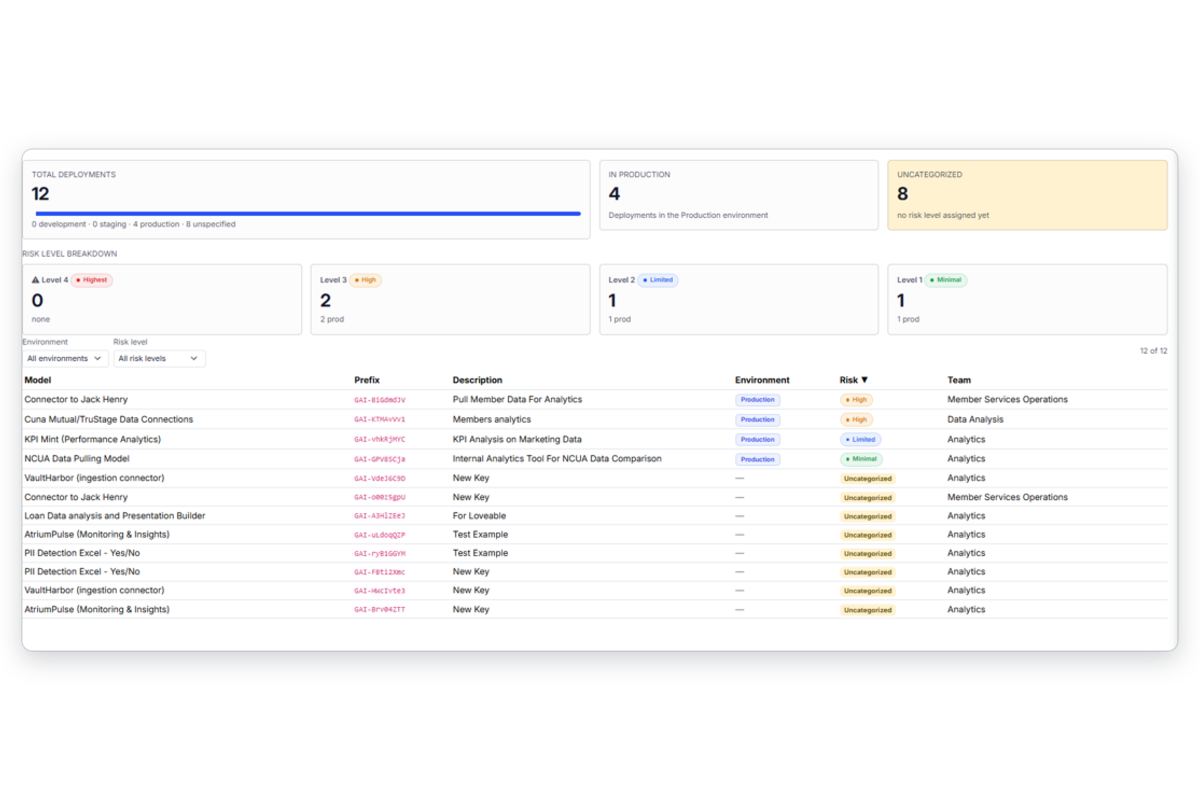
Three things a small team is up against
The expectations are the same as a bank's. The staffing is not.



Every AI tool comes with its own paperwork
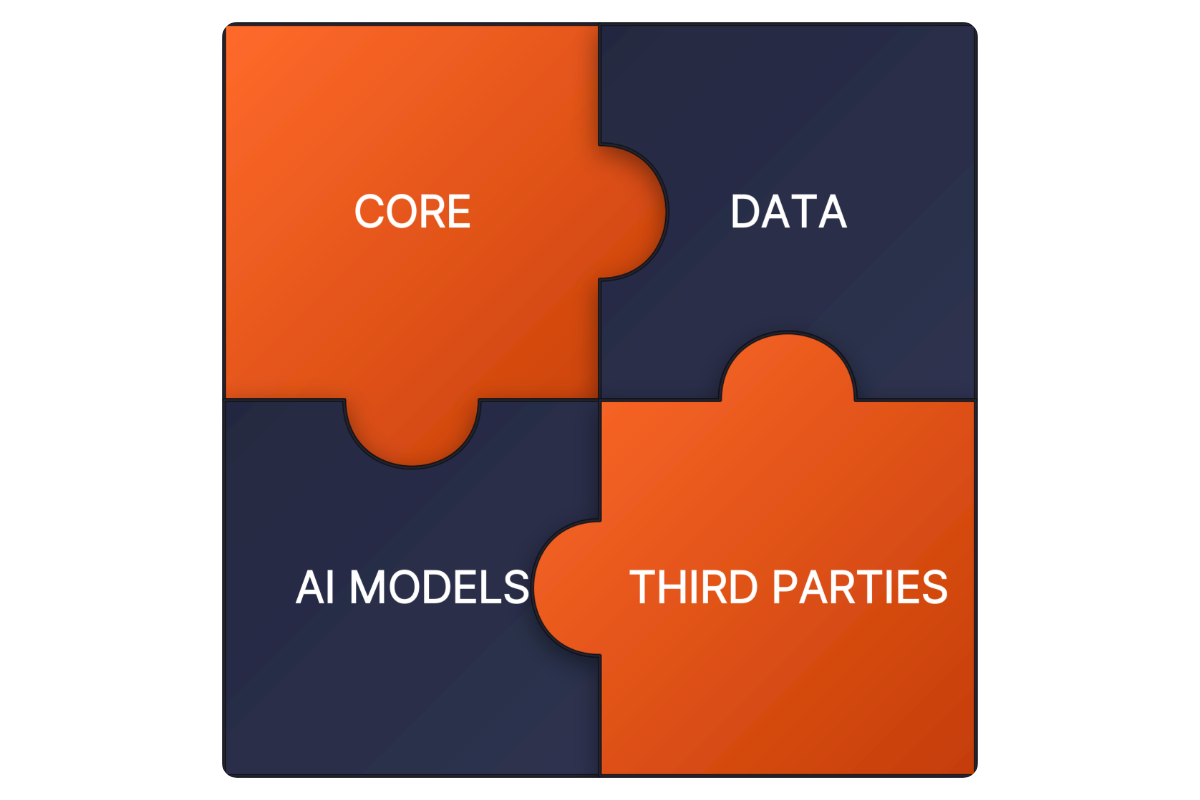
gravityAI is where your credit union builds and runs AI: the models you write, the connections to your core and your data, the AI you license from vendors, and the workflows built on top of all of it. Everything runs inside your own cloud, and member data stays there.
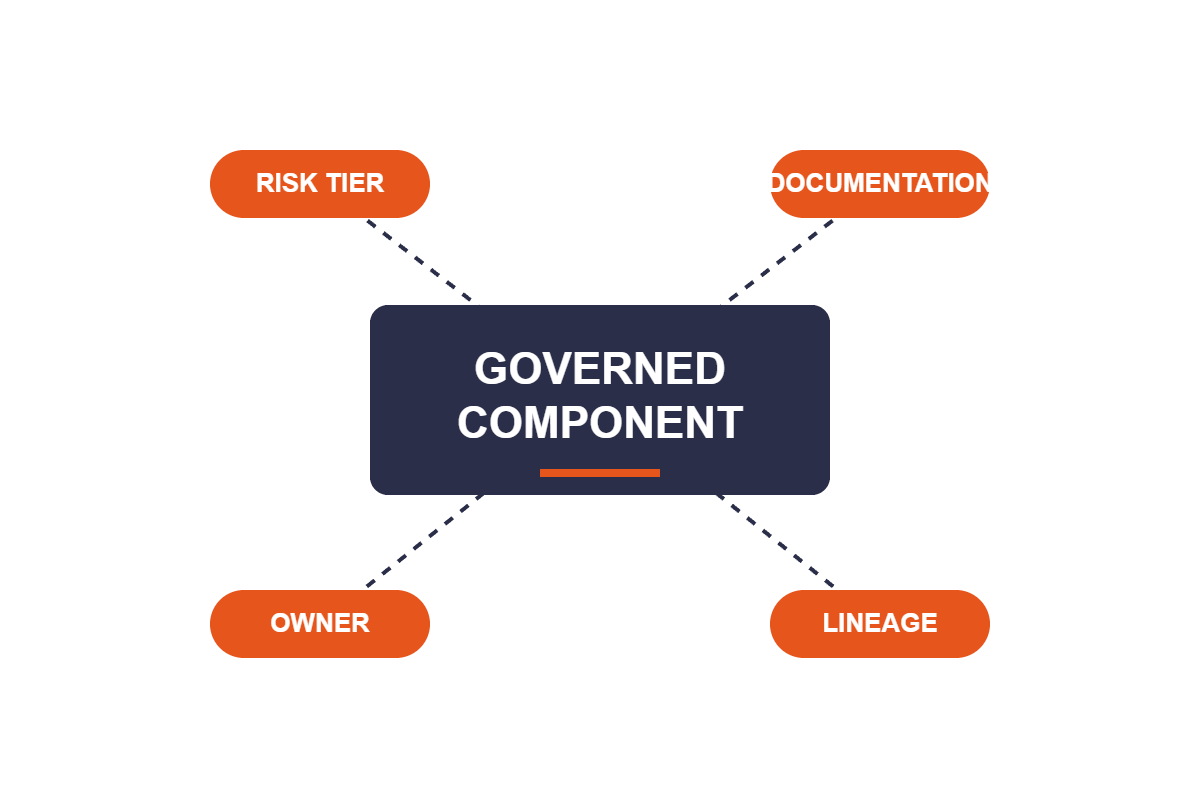
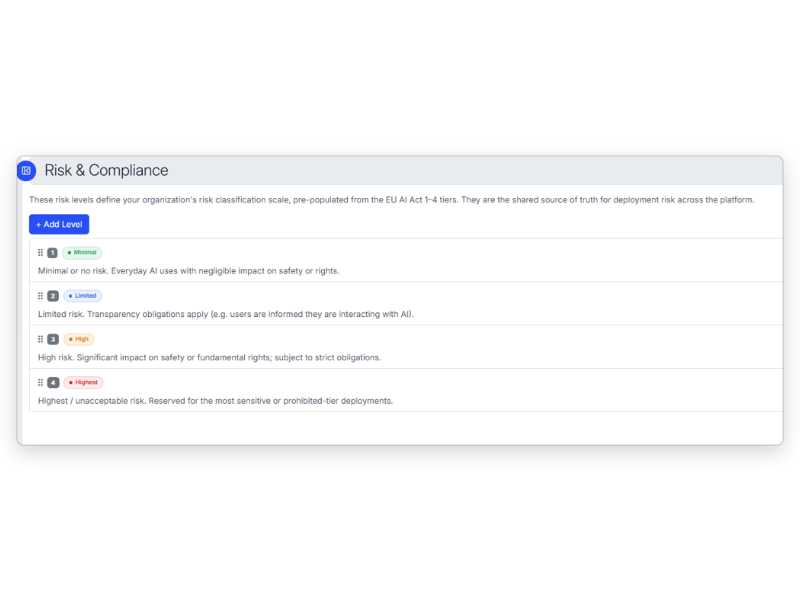
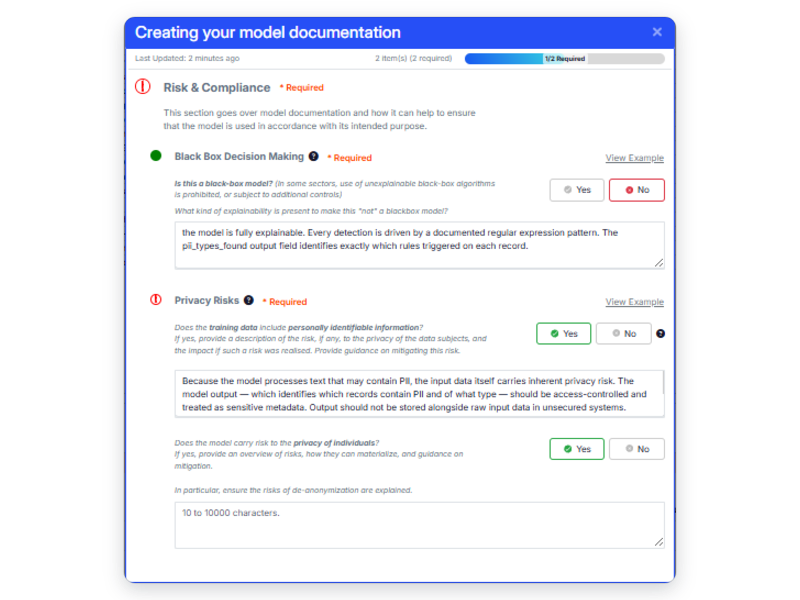
When something goes live, four things come with it automatically. How risky it is. What it does and how it was built. Who owns it. And a record of the data behind every answer it gives. Nobody has to write that separately, because the platform writes it while the work is happening.
That is why the list of what is running stays accurate on its own, and why an exam stops being a scramble.
What governed actually means
| Control | How it works | Why it matters |
|---|---|---|
| One list | Every model, connector, vendor AI, and workflow registered as it goes live | One list covers what you built and what you bought, which is the list an examiner asks for |
| Risk levels | A risk level assigned to each tool when it is deployed | A meeting summarizer and a lending model stop going through the same review |
| Documentation | Business context, how it was built, and its risks, written alongside the tool | The exam file exists before the notice arrives |
| Where the data came from | Every answer traces back to the tool, the data, and the version that produced it | A single member decision can be reconstructed months later |
| Vendor AI | The AI inside your core, your fraud tools, and CUSO products registered like anything else | Accountability sits where the examiner already puts it |
| Access | Who can use what, and what member data each tool may touch | Member data boundaries hold without relying on memory |
| Where it runs | Your cloud, on-premise, or fully air-gapped | Member data never leaves your environment |
A rule written down is a policy. A rule the system applies is a control. Only one of them survives a busy quarter.
From an idea to something running, without a project plan
Bring in what you already have. Your core, your data warehouse, the vendor tools you pay for, and your own AI provider. Nothing moves out of your cloud.
• Connect your core and member data systems
• Register the vendor AI you already license
• Your AI provider, your contract, your keys
• Runs in your cloud, on-premise, or air-gapped
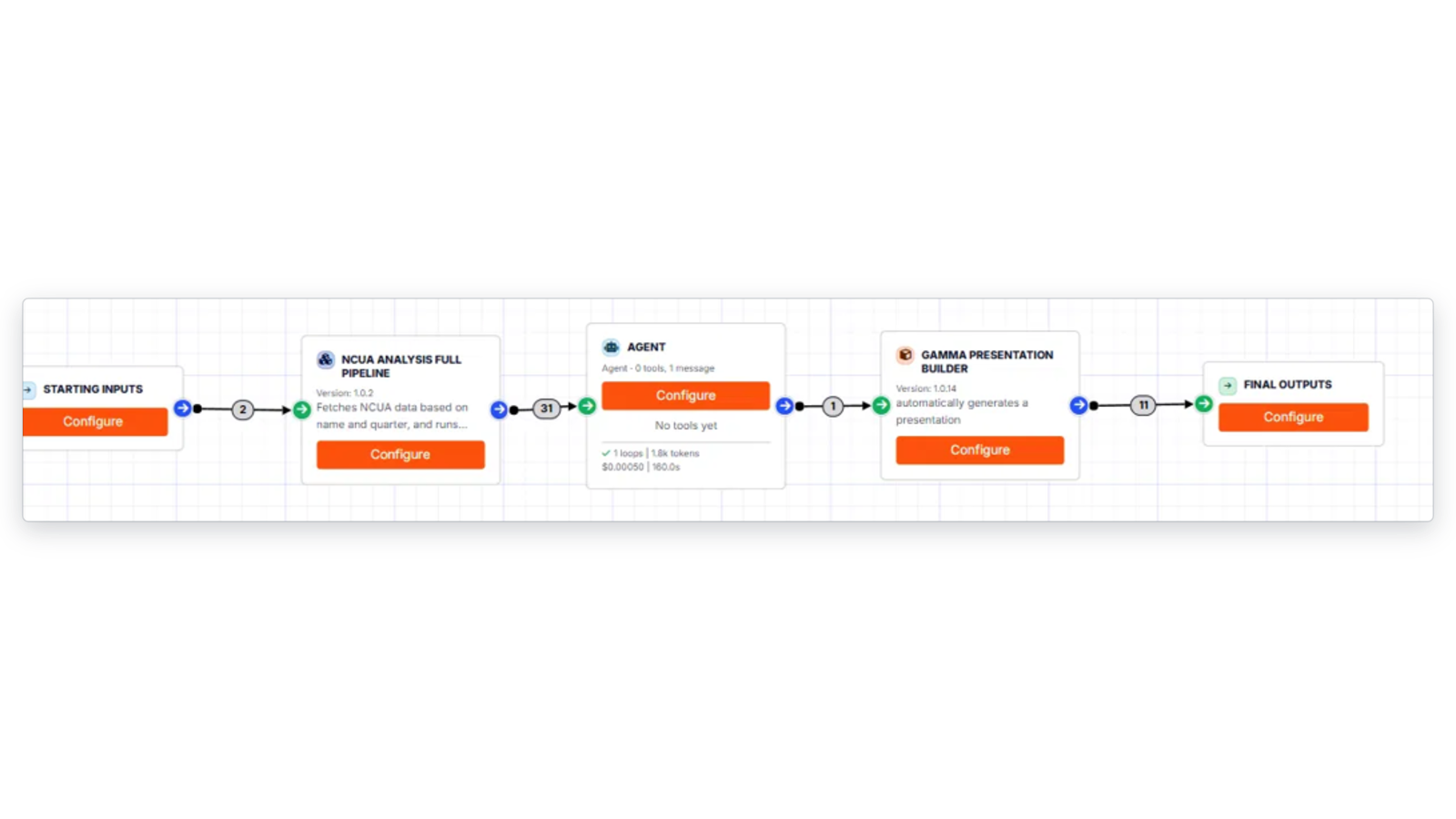
Describe what you need in plain language and the platform assembles the workflow. Drag steps into place if you would rather. Point Claude, Copilot, or ChatGPT at gravityAI and have it pull from your own systems and build it for you. What comes out still lands on the list.
• Describe a task and get a working workflow
• Drag-and-drop for people who do not code
• Build from the AI assistant your team already uses
• Guardrails, cost caps, and iteration limits by default
Try it against real examples before anyone relies on it. Compare a new version against the one in production and see what changed before you switch over.
• Test against real examples, not in production
• Compare versions side by side
• Update a candidate version and test it at scale first
• Promote it deliberately
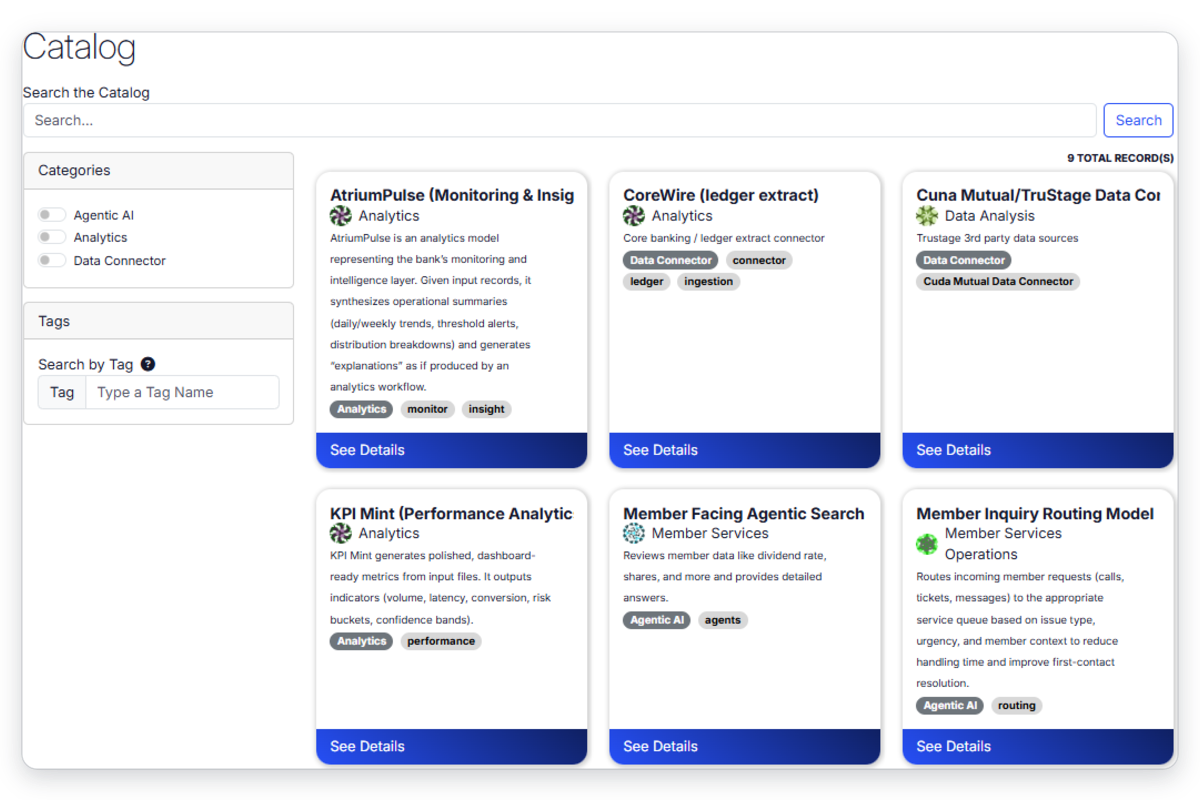
When something works, the next department starts from it instead of starting over, and the record comes with it.
• A shared catalog across the credit union
• Adapt what already works
• Credit stays with whoever built it
• Version history and rollback
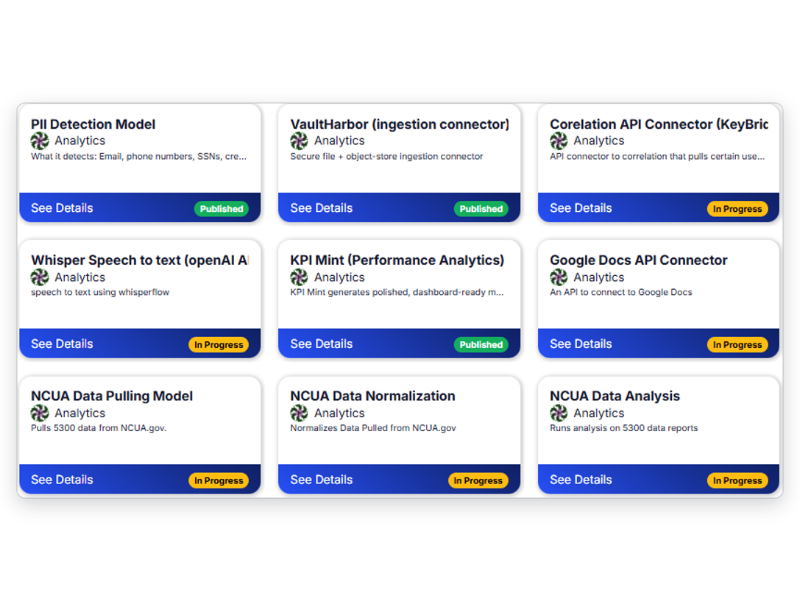
You don't start from a blank page
Ready to run on day one
Your workspace ships with working workflows already in it, built for credit union work and ready to run against your data.
We teach your people to run it
Software moves faster when the people using it know what they are doing. Training is led by an instructor with more than ten years teaching organizations how to put AI to work, and the sessions are built around your systems and your work rather than a generic curriculum. By the end, the people who know your members best are the people building the tools.
Built around your stack
Sessions use your core, your data, and the workflows your team will actually run
What people learn on Tuesday is usable on Wednesday
Real credit union work
Examples come from lending, member service, fraud, and finance
Drawn from institutions like yours rather than a software demo
Governance included
How to keep AI documented and examiner-ready as part of building it
Rather than as a separate task nobody has time for
Do it yourself, buy a feature, or run it governed
| Feature | Do it yourself | A vendor's AI feature | gravityAI |
|---|---|---|---|
| One list covering everything you run | — | — | ✓ |
| Covers the AI inside vendor products | — | — | ✓ |
| Documentation written as the work happens | — | — | ✓ |
| Your team can build without writing code | — | — | ✓ |
| Runs inside your own cloud | ✓ | — | ✓ |
| Workflows ready on day one | — | ✓ | ✓ |
| Training for your staff | — | — | ✓ |
Questions we get from credit unions
That is the situation this is built for. Your workspace arrives with working workflows already in it, the platform writes the documentation as work happens, and we train your staff to build their own. The alternative most credit unions face is hiring for a role that is hard to fill and expensive to keep.
It registers on the same list as everything you build, with a risk level, an owner, and access controls. You are accountable for what a vendor's model does to a member, so it belongs on the list.
Every tool carries documentation and a record of the data behind its answers, written while the work was happening. The file is there when the notice arrives rather than being assembled afterward.
No. It sits on top of it, and connects to the core, the warehouse, and the vendor tools you already run.
No. gravityAI runs in your own cloud, on-premise, or fully air-gapped, and we do not train anything on your data.