
Build the product. Skip building the platform.
gravityAI gives you the layer between your product and your models: sandboxes, self-service scaffolding, evaluation harnesses, per-tenant isolation, and lineage on every output. Connect it to Claude, Copilot, or ChatGPT and your engineers build components from the agent they already work in. Deployed inside your own cloud, so you ship on your release cadence and answer the security questionnaire from records that already exist.
Book a 30-minute diagnostic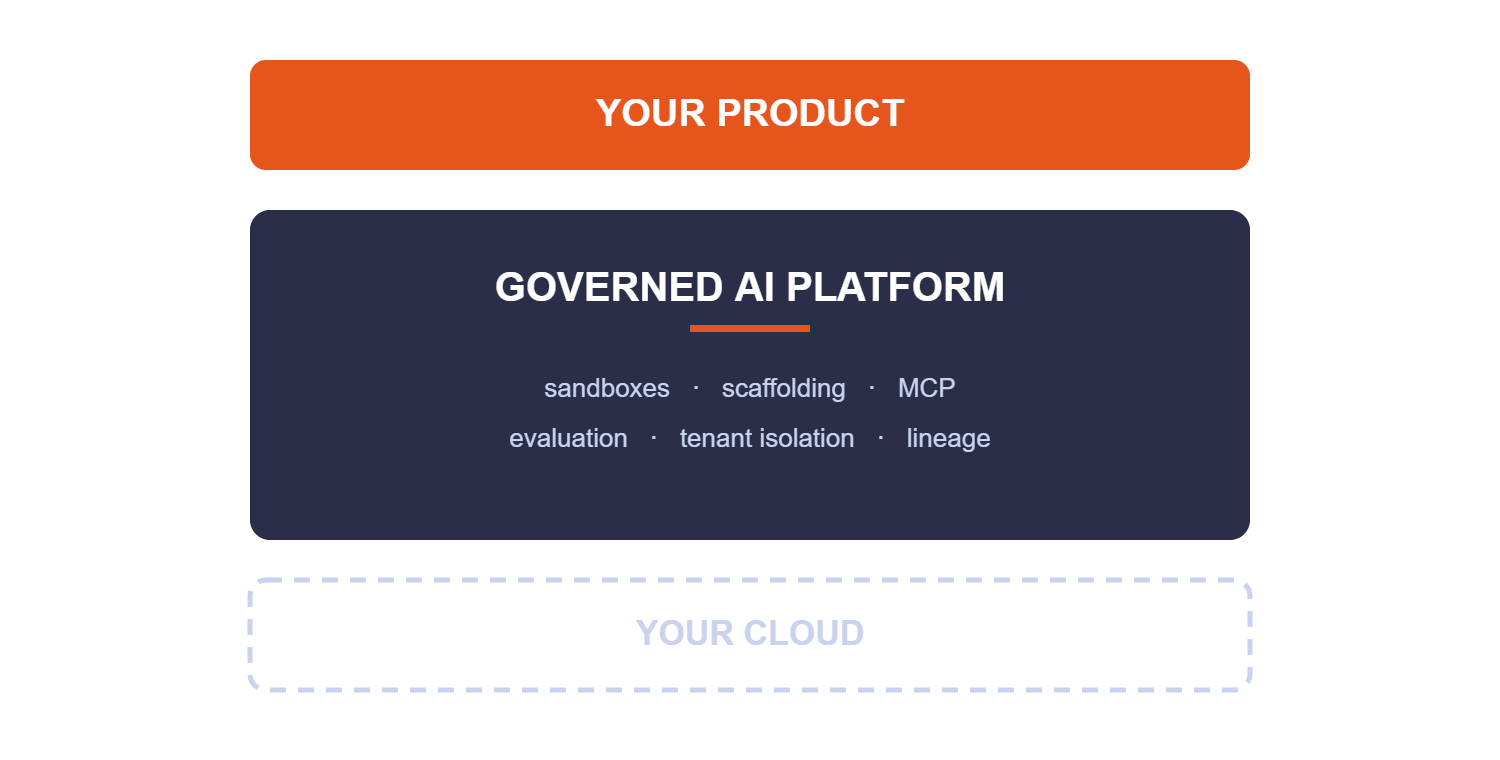
Three ways AI turns into infrastructure work
None of it ships in your product. All of it lands on your platform team.


The layer between your product and your models
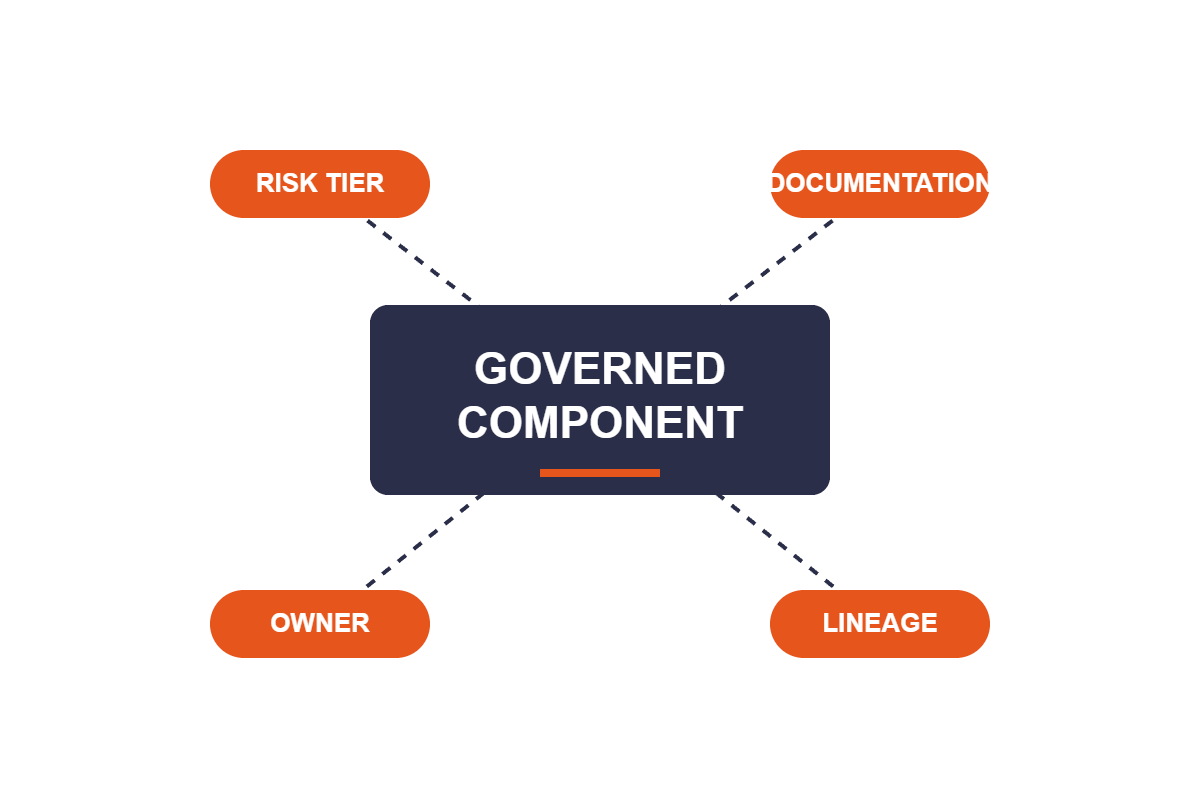
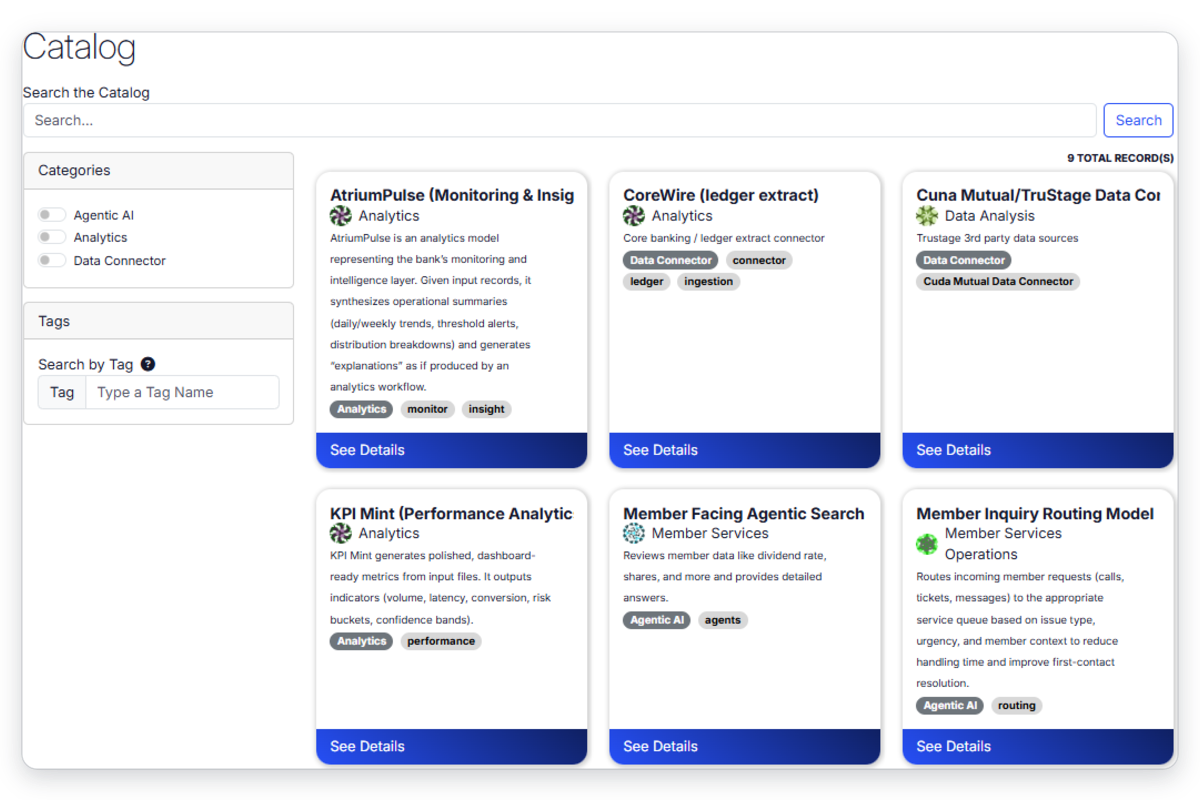
gravityAI is the AI platform layer, deployed as governed microservices inside your own cloud. Models, data connectors, and agentic workflows become components with a versioned interface, an owner, a risk tier, and lineage on every output.
Your engineers get sandboxes, an API, and a code path that respects how they already work. Your PMs and ops teams get scaffolding to prototype workflows without opening a ticket. Your compliance function gets an inventory that was never a separate exercise.
The part worth the evaluation: governance is a property of the artifact rather than a review someone runs afterward. That is what makes it survivable at fintech release cadence.
From a prototype in a notebook to a tenant-isolated production component
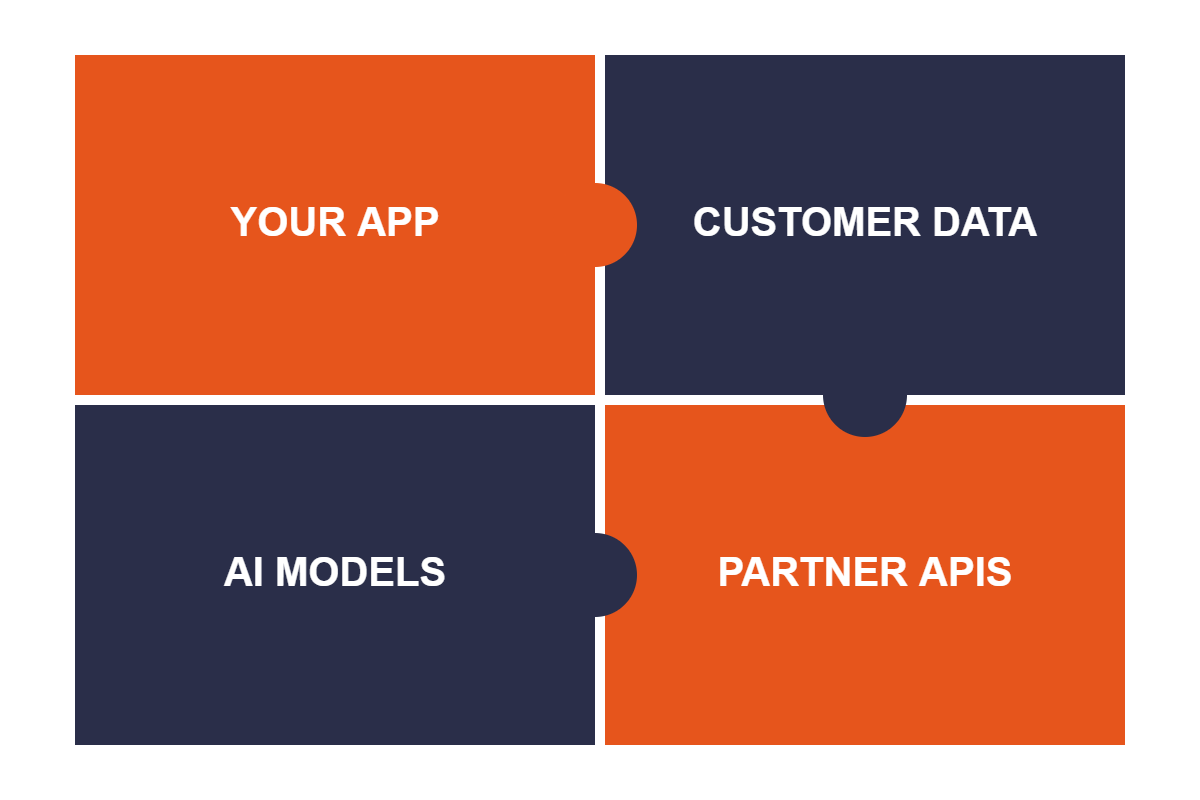
Bring your stack. Your data warehouse, your core ledger or processor, partner and bank APIs, your document stores, and your own LLM provider, connected once and available to every team cleared for them.
• Upload existing Python models and services
• API connectors for internal and partner systems
• Your LLM provider, your keys, your contract
• Runs in your VPC, on-prem, or air-gapped
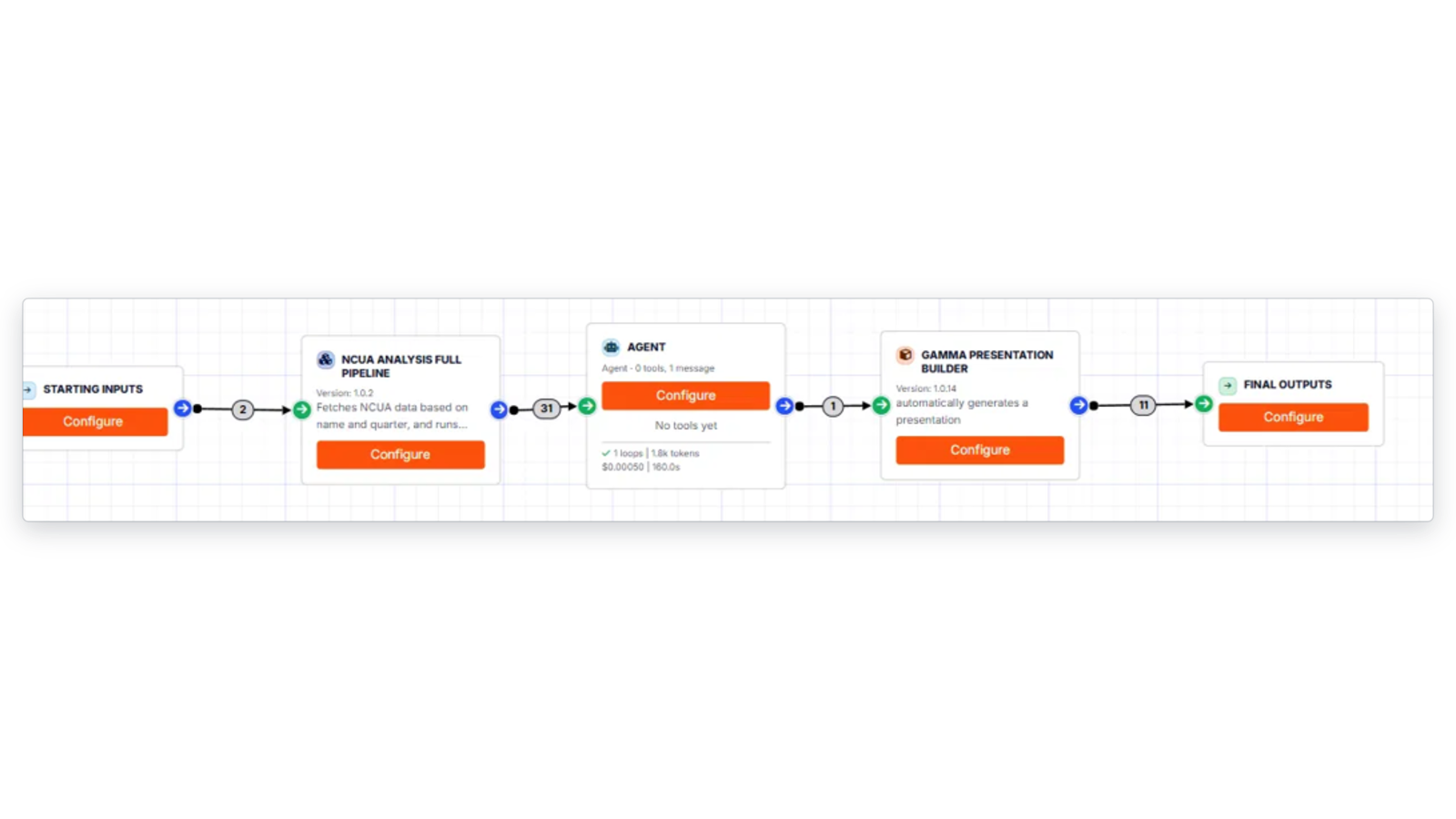
Assemble components into workflows through whichever door fits the team. Engineers work through the API and extend components in code. PMs, ops, and finance use the no-code canvas. And through our MCP server, you can point Claude, Copilot, or ChatGPT at gravityAI and have the agent build models and workflows directly in chat. Building through an agent is usually where shadow AI starts. Here the artifact that comes out carries its risk tier, its documentation, and its lineage like any other component.
• Connect your agent through MCP and build by describing what you want
• Full API and code path for engineers
• Drag-and-drop canvas for non-engineers
• Human-in-the-loop checkpoints where output reaches a customer
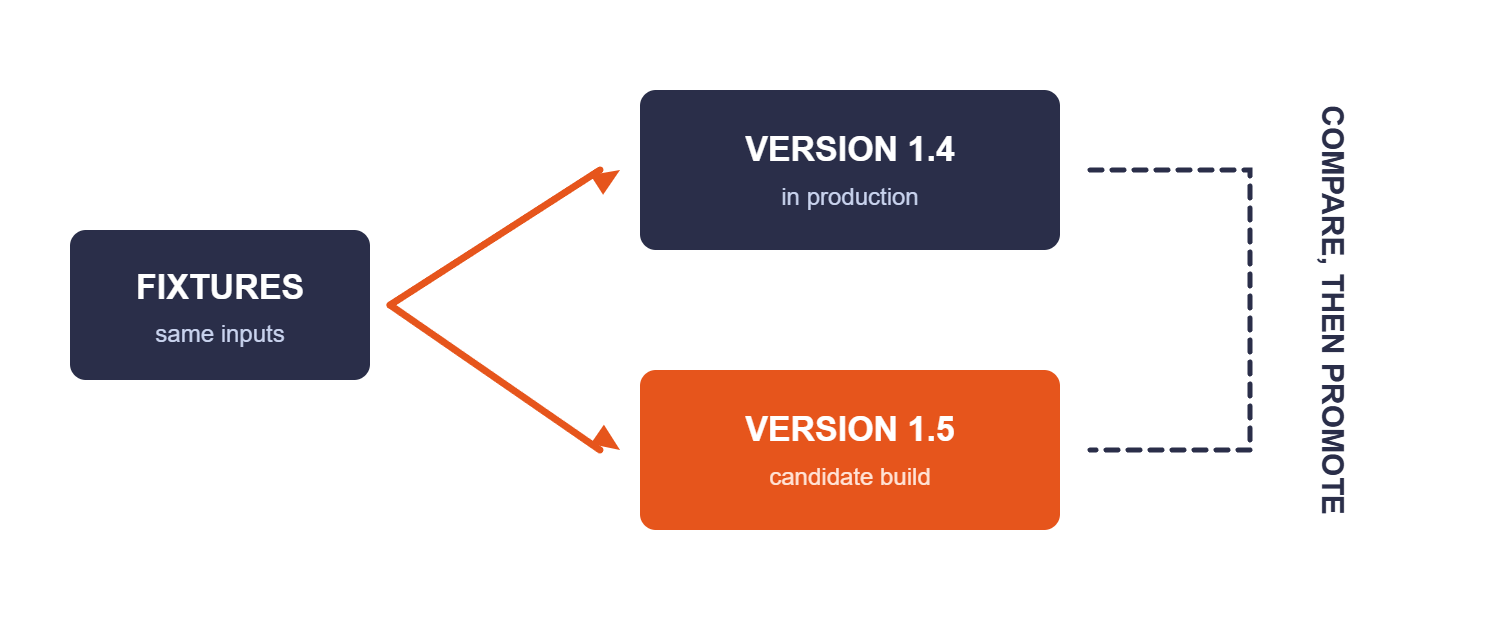
Evaluate before production. Run components against fixtures in a sandbox, compare versions on the same inputs, and catch a regression from a prompt change or a model upgrade before a customer does. Artifact files can be updated ahead of a version, so a candidate build gets tested at scale before anything is promoted.
• Sandbox environments isolated from production data
• Version-to-version comparison on identical inputs
• Update artifact files pre-version and test the candidate at scale
• Promote a version deliberately rather than by deploy
Deploy per tenant with isolation and lineage intact. Roll a component back without touching the rest of the product, and hand a customer the record for their own data when they ask.
• Per-tenant deployment and data boundaries
• Versioning and rollback per component
• Lineage from an output back to the data and version behind it
• One inventory across every workflow you have shipped
One platform, three teams with different backlogs
The platform or infrastructure lead
Stop building sandboxes, scaffolding, and eval harnesses in-house
Components with a versioned interface and an owner
Runs in your own cloud with your own LLM contract
One place to version, roll back, and retire what you shipped
The product engineer
Build components from Claude, Copilot, or ChatGPT through MCP
Ship an AI feature without standing up new infrastructure first
Test a candidate version at scale before a customer sees a regression
Extend components in code rather than working around a UI
The compliance or security lead
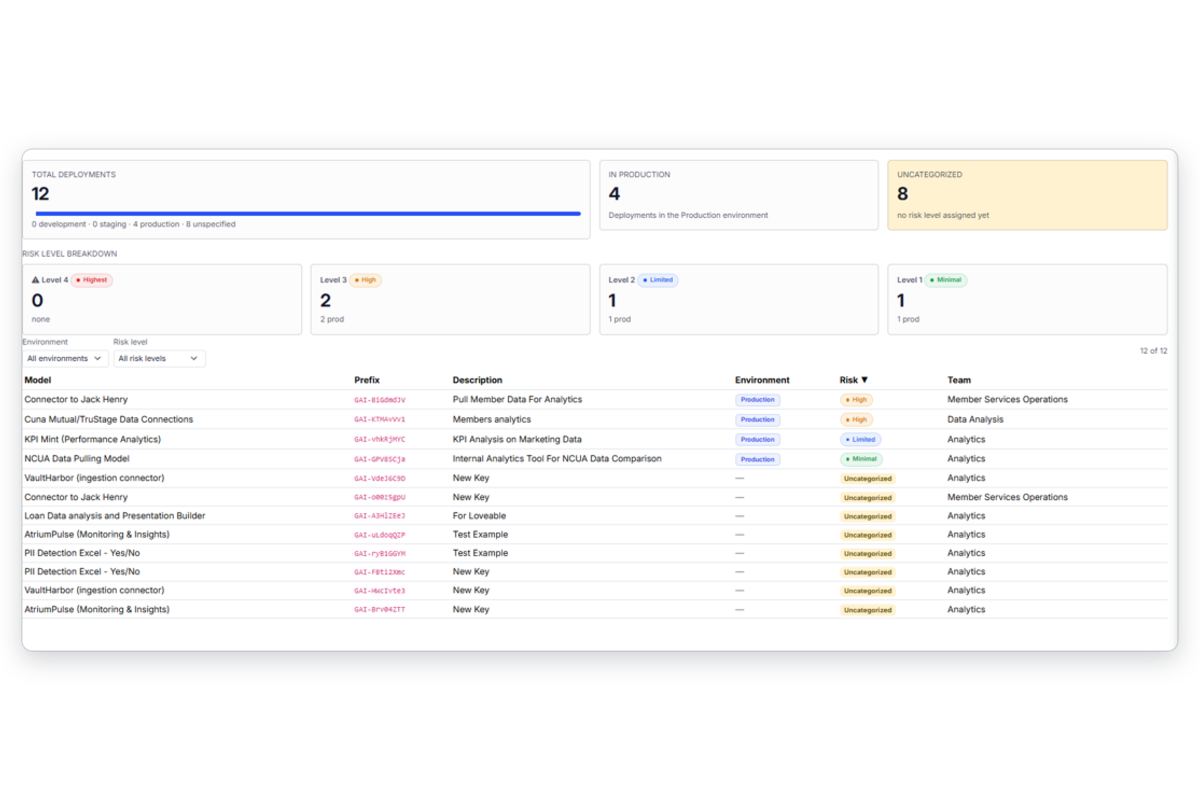
Every component touching customer data in one inventory
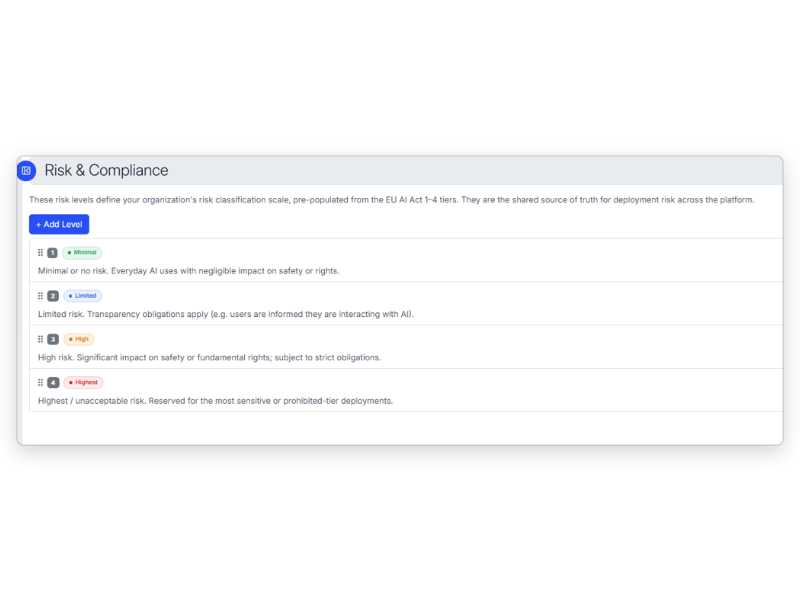
Risk tiering applied at deploy time
Documentation and lineage that exist because the platform made them
Answer the diligence questionnaire from records rather than engineering time
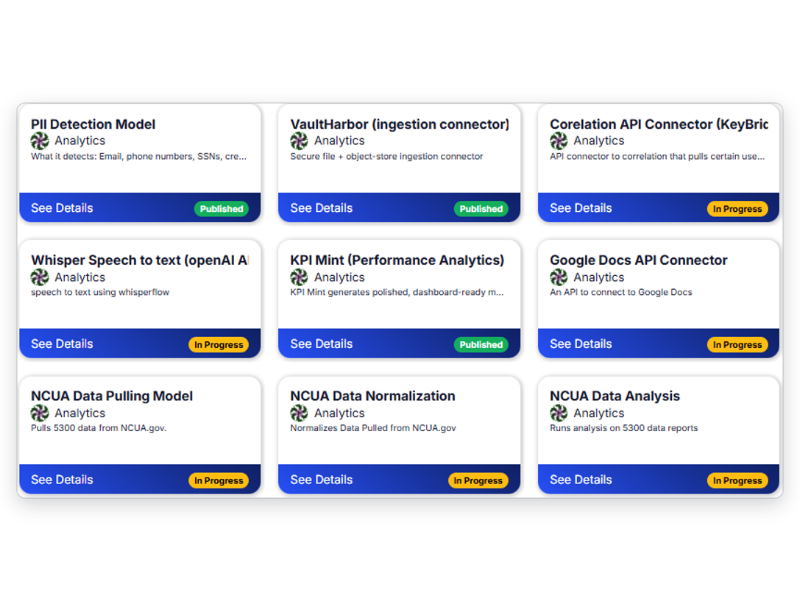
Where fintechs start
Patterns product and platform teams build with governed components.
What governed actually means
| Control | How it works | Why it matters |
|---|---|---|
| Inventory | Every model, connector, and workflow registered as a deployed component | You answer "what AI is in this product" without a spreadsheet exercise |
| Tenant isolation | Data boundaries and access enforced per customer at the component level | One customer's data stays out of another customer's output |
| Risk tiering | A risk level assigned to each component at deploy time | Review effort scales with exposure rather than with deploy count |
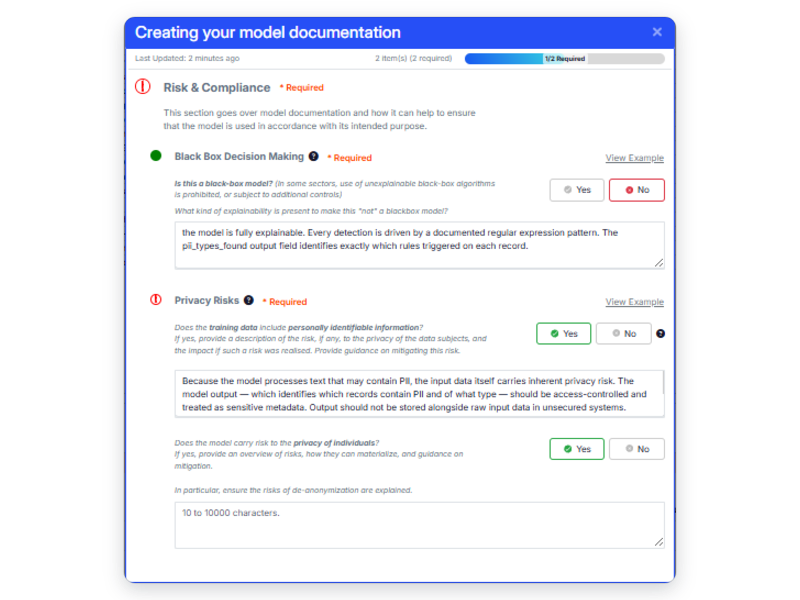
| Documentation | Business context, implementation detail, and risk assessment generated alongside the artifact | The diligence questionnaire gets answered from records that already exist |
| Lineage | Each output traces to the component, data source, and version that produced it | You can reconstruct what happened for one customer, on request |
| Change control | Versioning, rollback, and a recorded history of what changed and when | A model upgrade stops being an unlogged event |
| Deployment location | Your cloud, on-prem, or air-gapped | Customer data never leaves the environment you committed to |
Governance applied to the artifact is a control. Governance applied to a process is a policy. Only one of them survives a weekly release cadence.
Build it, wire it together, or run it
| Feature | Build the platform in-house | Framework plus your own guardrails | gravityAI |
|---|---|---|---|
| Governance attached to the deployed artifact | — | — | ✓ |
| Per-tenant isolation and lineage | — | — | ✓ |
| Sandboxes and evaluation harnesses included | — | — | ✓ |
| Build from your own agent through MCP | — | — | ✓ |
| No-code path for PMs, ops, and finance | — | — | ✓ |
| Full API and code path for engineers | ✓ | ✓ | ✓ |
| Runs inside your own cloud | ✓ | ✓ | ✓ |
| Live without a multi-quarter platform build | — | ✓ | ✓ |
Questions we get from fintechs
You can, and some should. The question is which parts are differentiating. Sandboxes, scaffolding, evaluation harnesses, tenant isolation, and lineage are the same in every fintech that builds them, and they take a team a year to get right. Whatever sits on top of that layer is your product. We are arguing about the layer, not about your engineers.
Yes. gravityAI runs an MCP server, so you connect the agent your team already uses and build models and workflows by describing them in chat. What comes out is a governed component with a risk tier, documentation, and lineage, the same as anything built through the API or the canvas.
No, and that is the design constraint the whole platform is built around. Governance is applied when a component is deployed rather than in a review that happens before it. Low-risk components move without ceremony, and the documentation is a byproduct of shipping.
Data boundaries and access are enforced per customer at the component level, and lineage is recorded per tenant. You can produce the record for one customer without exposing another.
Yes, that is one of the clearest returns. Every component carries generated documentation covering business context, implementation, and risk, plus lineage from output back to source. The questionnaire gets answered from records rather than from an engineer's week.
Yes. You connect your own LLM provider under your own contract, and your data and models stay in your environment. We do not train on your data.
No. It sits on top of them. gravityAI connects to the warehouse, the ledger or processor, and the partner APIs you already have, and makes what gets built on them governable and reusable.